

About Us
Purpose
In a system that is more reactive than proactive, the focus here is to help people gain or maintain their independence by targeting modifiable risk factors for falls. This in turn will help to decrease future medical costs and stress.
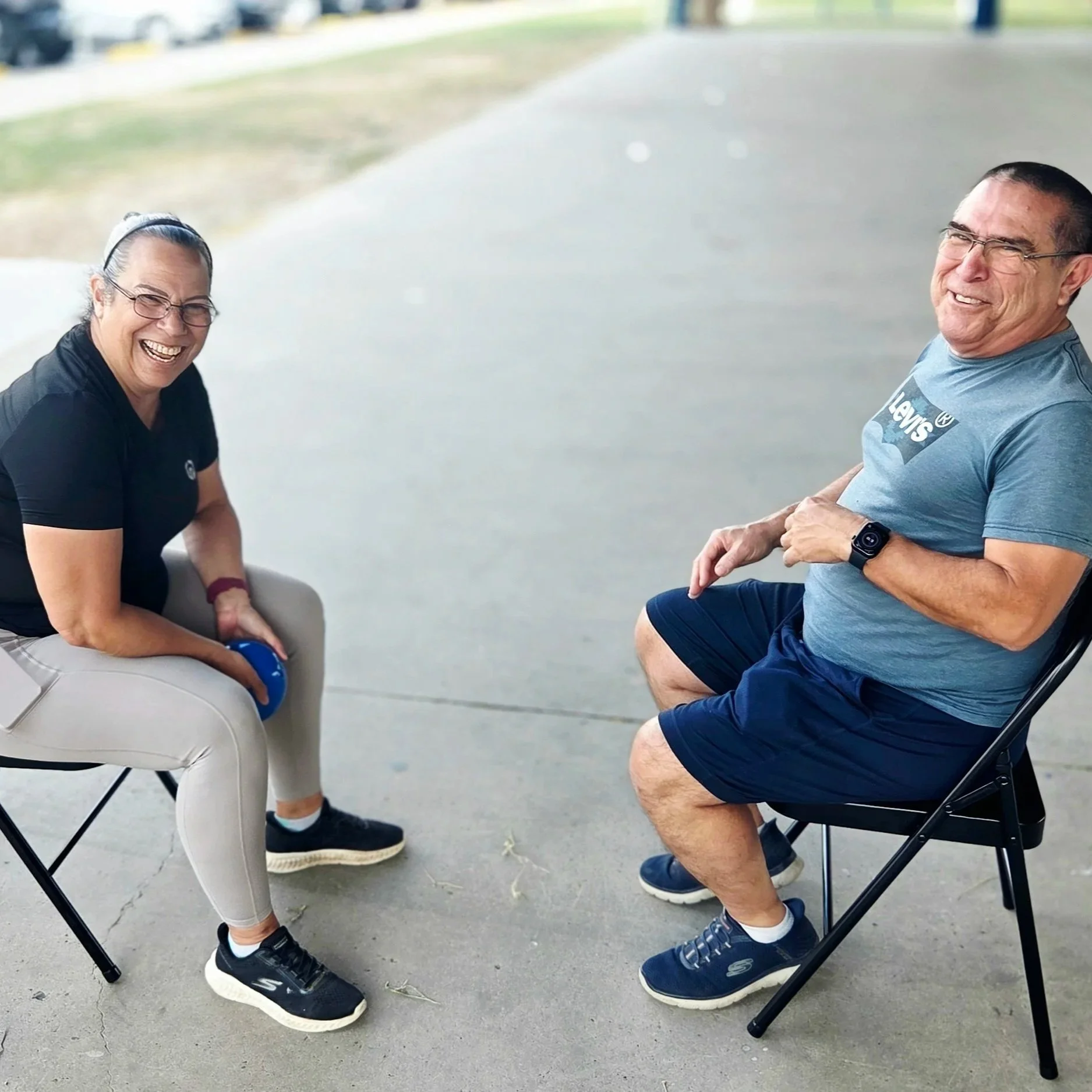
As we age, social isolation plays a role in a person’s risk of falling. Class sizes are small for more engagement and personalization.
However, individualized training is also offered if participant’s feel they would prefer one-on-one attention or small group/partner classes at home.
Persons of all fitness levels are welcome, from chair level to high intensity.
About the crane in our logo: The crane is a symbol of longevity, happiness, hope and healing. The crane is also a master at balancing, all things we hope to promote in as many people as possible.
Fall Risk Screen
Your complimentary fall risk screen consists of:
Assessment of Vitals (blood pressure and heart rate)
Strength Assessment
Balance/fall risk assessment
The complimentary fall risk screen will assist in identifying any needs for skilled services prior to initiation of first session.
"I was always looking outside myself for strength and confidence, but it comes from within. It is there all the time."
— Anna Freud
Most studies note that exercise programming is most effective at preventing falls immediately following the program (Ganz & Latham, 2020)
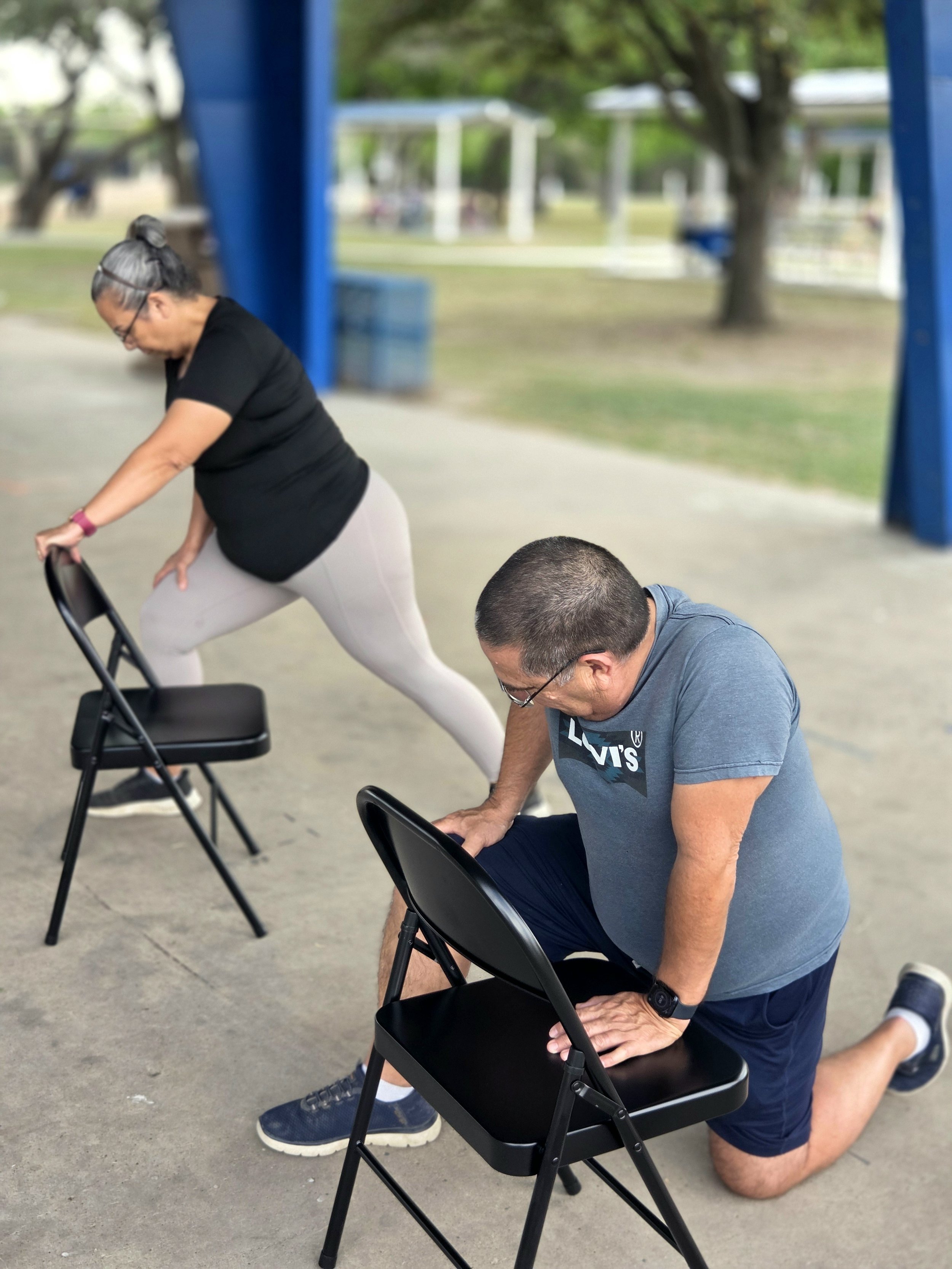
This community fitness program is intended to help individuals actively age through daily movement, social opportunities/support, accountability, in addition to cardiovascular, bone, and pulmonary health. Older adults who remain socially connected experience better balance, mobility, spatial awareness, and sense of purpose (J. Holloway, et al., 2023, T. K. M. Cudjoe, et al. 2025).